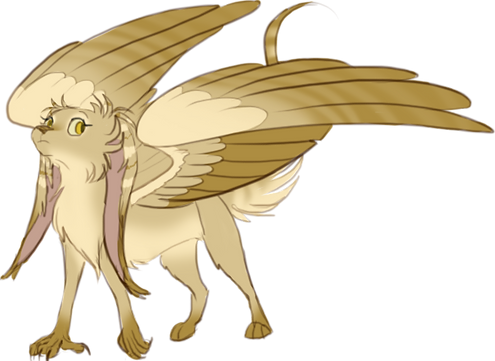

Raccardi
Family: chimeric | they can be counted as felines, canines as well as avians at the same time
Class: Mammalia
Order: Omnivora
Sounds: They are making sounds that sound similar to the meow of a cat.
Gestation period: 2 months
Breeding: A Raccardi gets a litter of 2-6 kits which are blind at birth. After one week they open their eyes. They stay with their family flock all their life. After 10 years they are pubescent.
Character: Raccardis are very social creatures who usually live together in groups and also raise their young together. They stay together with their partner for life.
They are kind and joyful creatures who trust easily, which makes them easy prey. Other than that they are very intelligent—sentient, in fact.
General Features:
-
hands instead of front paws
-
brighter fur on the belly
- long fluffy ears with dark ear tips
-
cheek fluff
-
fluffy neck
-
curl at the end of the ears
-
striped tail
-
big eyes
-
striped ears
-
age the same as all other sentient creatures
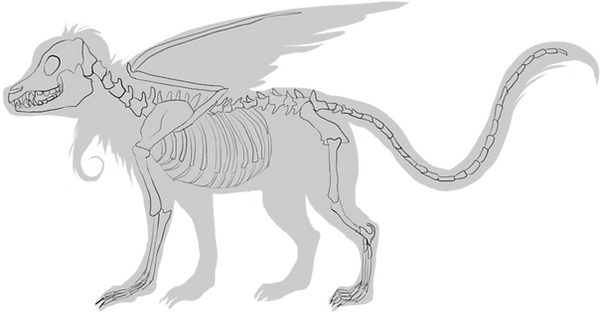
Variants
-
Desert
-
Forest
-
Mountain
Desert Raccardi
Native envrionment: deserts, warm & dry areas
Habitat: caves, ciffs & ruins
Optimal climate: 25°C - 40°C
Natural colouring: sandy colours
Size:
-
Females: 30cm with head
-
Males: 33cm with head
-
Newborns: 2cm with head
Features:
-
long, narrow wings (for fast, energy-efficient flight and rapid dives)
-
slender, elegant tail
- short fur
- long ears with dark ends
- light skin
- bright stripes
- dark paws and hands
- eye colours are in a range of gold and brown tones
Personality:
Desert raccardis do not have any natural predators where they live, which makes them naturally trusting and forthcoming. They are very loyal to what they consider their flock and can fall into depression when separated from their family.
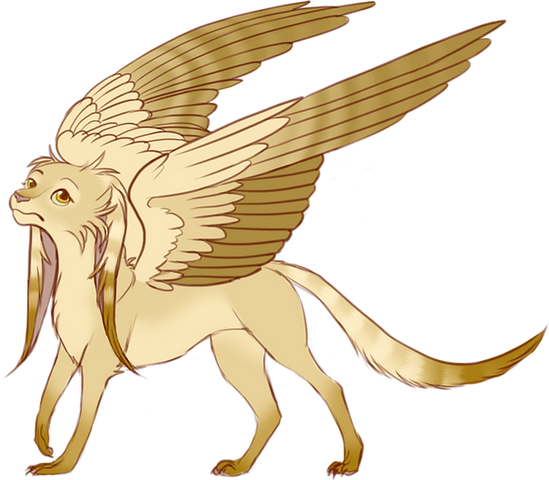
Forest Raccardi
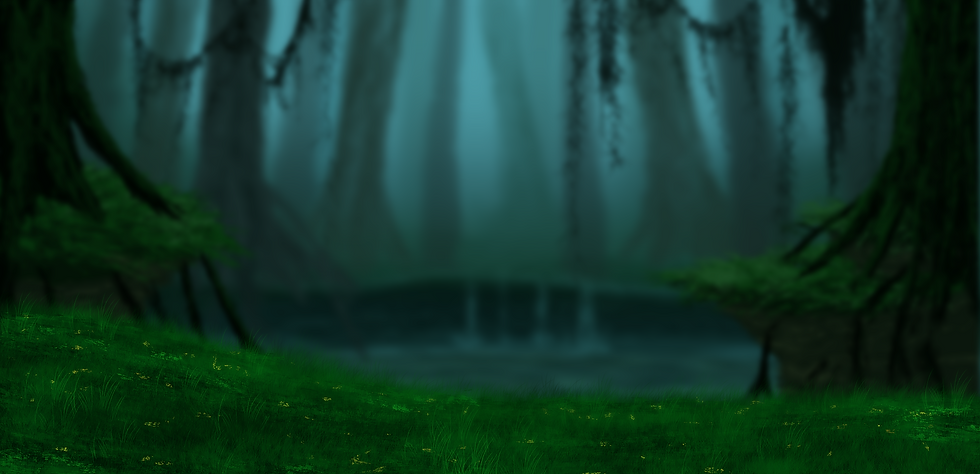
Native envrionment: deciduous forests
Habitat: trees
Optimal climate: 10°C - 25°C
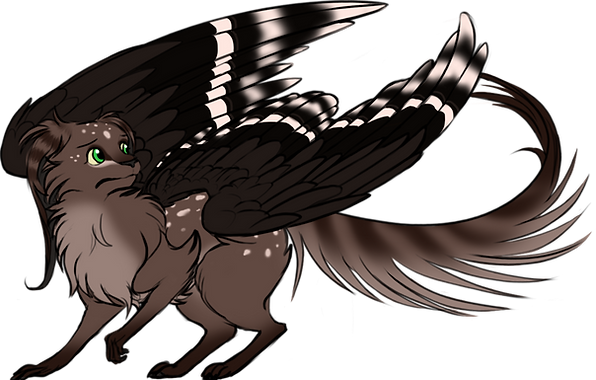
Natural colouring: dark colours
Size:
-
Females: 35cm with head
-
Males: 40cm with head
-
Newborns: 3cm with head
Features:
-
rounded wings (for agile maneuvering through dense trees)
-
usually dark in colour with bright stripes
-
-
long, whispy tail with easily torn fur (for escaping the jaws of predators)
-
dark stripes
-
dark skin
-
ears are slightly curled at the ends
-
Paws are dark
-
eye colours can be anything
-
can have spots as markings for camouflage
-
stripes around eyes and nose are possible but not always occurring
Personality:
Forest raccardis are naturally nervous creatures due to sharing their habitat with various predators. They are extremly prone to fleeing dangerous situations and tend to not roam far from where they were born.
Mountain Raccardi
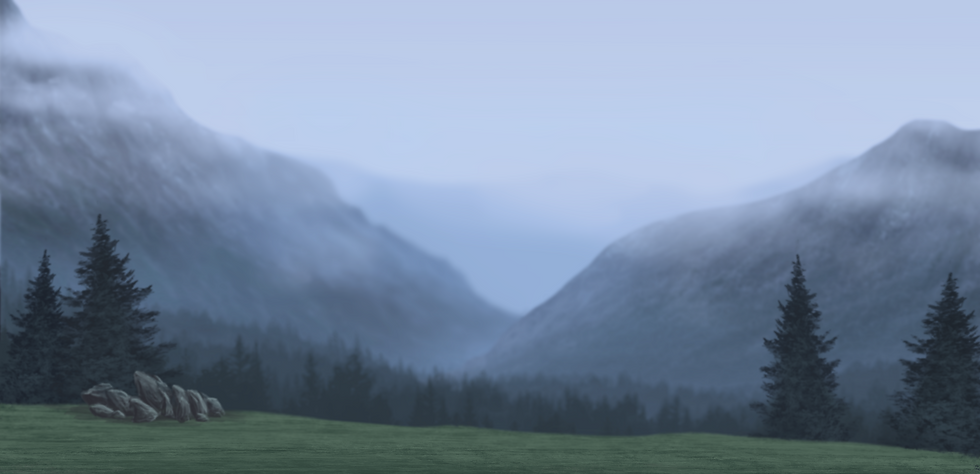
Native envrionment: mountains, highlands
Habitat: caves, cliffsides, rocky terrain
Optimal climate: 0°C - 13°C
Natural colouring: bright grey colours
Size:
-
Females: 44cm with head
-
Males: 48cm with head
-
Newborns: 6cm with head
Features:
-
big wings (made for long distance flights)
-
fluffy tail
-
long cheek fluff
-
Feathers end in a darker colour in a soft gradient
-
Paws are bright
-
very thick fur made to withstand extreme cold
-
narrow eyes
-
ears have very curly black tips
-
eyes are usually a shade of blue or purple

Personality:
Mountain raccardis are stubborn and mistrusting by nature. They dwell in ruins and caves, perfectly camouflaged with their spots to wander and fly through the rocky mountain landscape. They usually keep to themselves and only rarely interact with society.
Mixed Breeds
Due to high demand for special-looking raccardi slaves on the market, raccardi breeders have started to intermix the three different variants to gain new colouring variations and features.
The most common mixes are of the desert type and the forest type, which results in both light and dark stripes, shorter ears, whispier fur and more eye colour variations.
Since mountain raccardis are at home in the North Lands, where slavery is outlawed, they are incredibly uncommon to be used in mixed breeding. Any existing mixed breeds that contain mountain raccardi features are therefore especially valuable and widely asked for.